
Production and exchange meters
Two distinct measurements: how much the plant generates and how much it exchanges with the network, both injected and drawn. Confusing them leads to readings that don't reconcile with actual production.
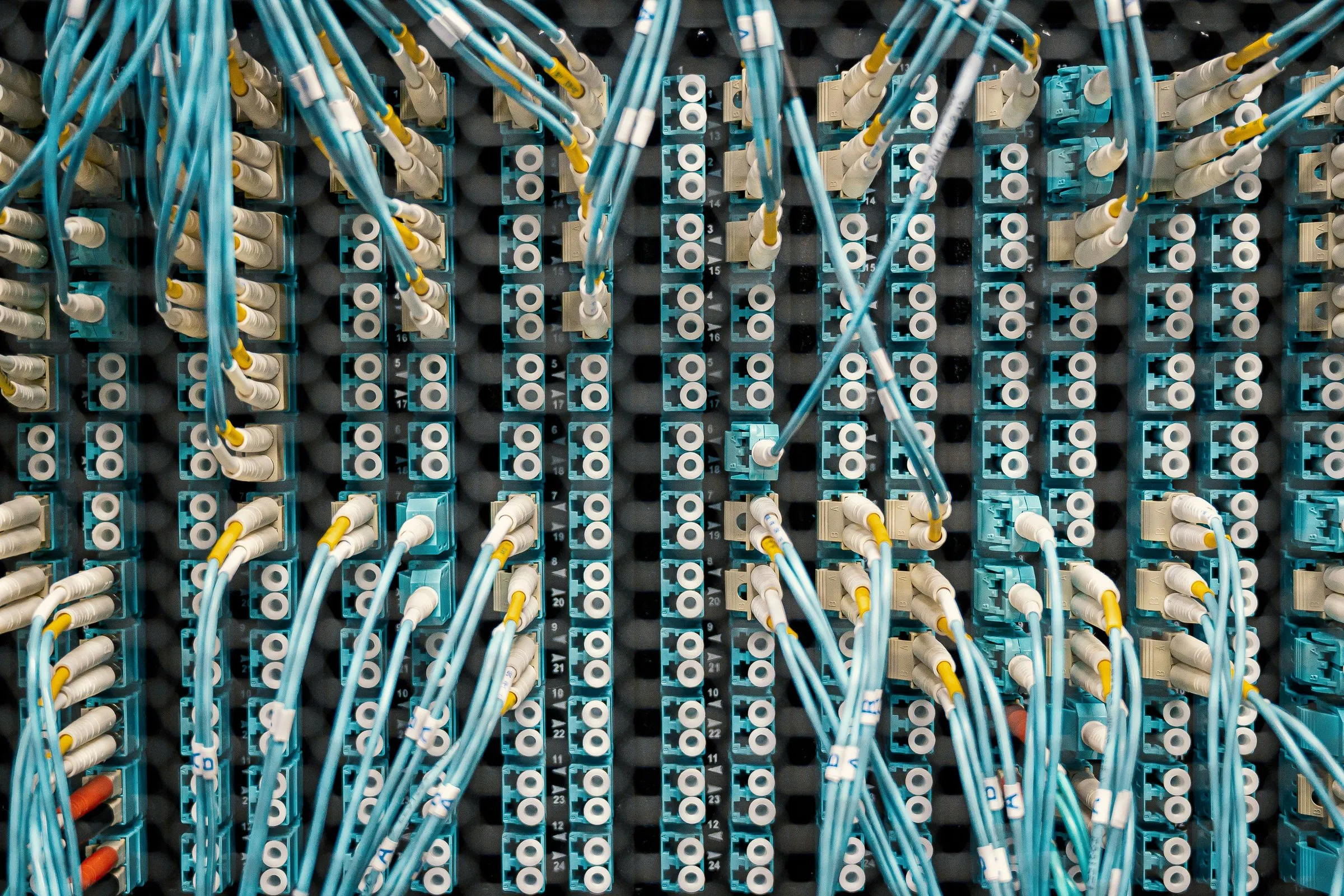
Acquisition, validation and delivery of production and exchange data: the measurement data the client needs to verify the plant, and the distributor needs for its own network accounting.
A generation plant has at least two meters that count different things: the production meter, which measures the energy the plant generates, and the exchange meter, bidirectional, which measures how much is injected into the network and how much, if any, is drawn from it. These are the figures the client uses to verify the plant's actual yield and the distributor uses for its own network accounting.
A reading taken once, glanced at on the meter's display, doesn't say much: what's needed is a periodic, repeatable reading that collects values at regular intervals and makes them comparable over time. And it's data that needs checking too, because an anomalous value (an implausible jump, a meter that stops responding) has to be caught before it ends up in a comparison or an invoice.
We handle the whole chain: periodic acquisition from the production and exchange meters, validation of the collected data to catch anomalies, and delivery on a portal where the client and, where required, the distributor can consult the measurement history.
MEASUREMENT DATA
Meter
Production and exchange
Acquisition
Periodic reading
Validation
Data consistency check
Portal
Data consultation
Two distinct measurements: how much the plant generates and how much it exchanges with the network, both injected and drawn. Confusing them leads to readings that don't reconcile with actual production.
Data is collected at regular intervals, not only on request: that regularity is what makes one month of production comparable with the previous one.
Every reading is checked for consistency before entering the history: an anomalous value or a silent meter is flagged, not simply reported as if nothing were wrong.
The measurement history is available to the client at any time, without having to request the latest reading each time or chase the value on the meter's display.
Where the plant is already supervised by our RCS system, production and exchange data enters the same control picture as the rest of the substation.
Identifying the plant's production and exchange meters, their communication protocol, and the reading frequency required.
Configuring the automatic data collection at the required intervals, with an initial check that the acquired values match those read directly on the meter.
Consistency checks on the collected data and publication on the consultation portal, flagging anomalies (a missed reading, an out-of-range value) as soon as they're detected.
Maintaining the acquisition chain, intervening on meters or connections in the event of a persistent anomaly, and keeping the portal updated with the measurement history.
Reference technical rule for connecting active and passive users to HV and MV networks
The technical connection rule requires active plants to make the measurement data the distributor needs for network management available to it: the production meter and the exchange meter are the source of that data. The framework we use to organise acquisition, validation and consultation of the data answers that requirement, common to every plant connected at MV.
If your question is not here, call us: a technician answers, not a switchboard.
Call us: +39 0881 377590The production meter measures the energy generated by the plant, typically near the inverter or generator. The exchange meter, bidirectional, measures the energy injected into the network and any energy drawn from it: they're two different figures and both need reading for the full picture.
Acquisition is periodic, at regular intervals set during activation: that regularity is what makes the history comparable over time, instead of a series of isolated readings taken on request.
Data validation catches the anomaly, a missing reading or an inconsistent value, and flags it, so intervention happens before the data gap becomes a problem in a comparison or a check with the distributor.
Where the connection point requires it, yes: the measurement data made available answers exactly the distributor's need to manage the network with up-to-date information on every connected plant.
Yes, when the plant is already supervised by our RCS system, production and exchange data enters the same control picture as the substation, with no separate portal to consult.
A fault does not wait. Neither do we.
Talk directly to the people who put their hands on the plant. No forms, no waiting: one call and we are on it.