
RIGEDI device testing
Functional check of the interface protection that receives and executes the disconnection command, as required by Allegato A.72.
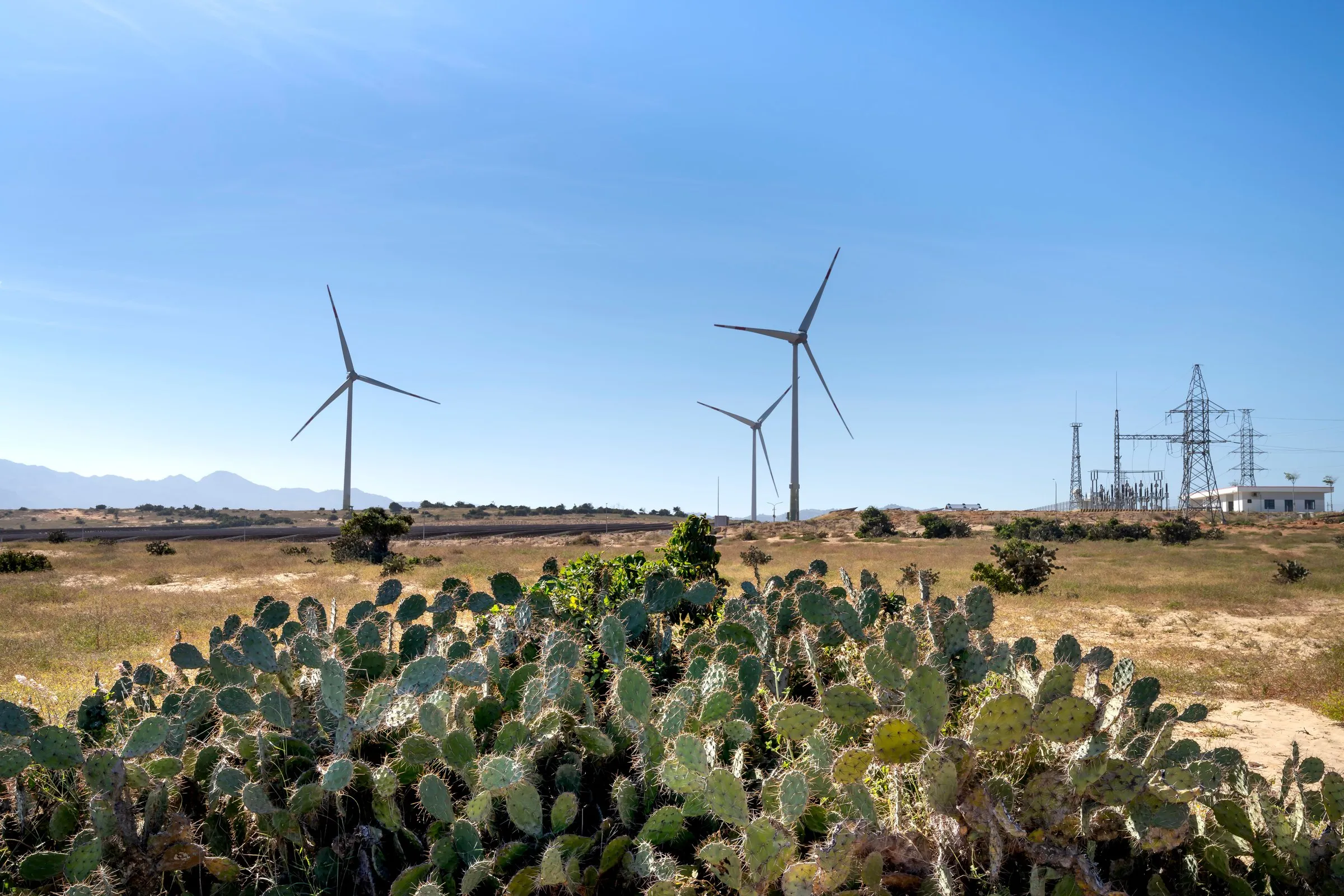
Testing and diagnostics of RIGEDI devices and A72 modems, commissioning support, performance analysis and SCADA integration: the channel through which the distributor commands the plant's disconnection when the network requires it.
A generation plant connected to the MV network doesn't decide on its own when to stay in service: under certain network risk conditions, the distributor must be able to command a remote disconnection. This is the function described by Allegato A.72 to the Codice di Rete, applied through the procedure everyone in the field calls RIGEDI, and implemented on the plant with a dedicated device and a modem that receives the command.
The device alone isn't enough: it has to be tested, kept in working order and integrated with the rest of the plant so that the disconnection command, and the equally important reconnection one, actually arrives and is executed within the required time. A modem that doesn't respond, or a badly configured interface protection, turns a network safety requirement into a blind spot.
We test and diagnose RIGEDI devices and the A72 modem, support commissioning, analyse the connection's performance and the system's compliance, support communication with the distributor during activation, and integrate everything with the plant's SCADA, so remote tripping is a verified channel, not just an installed one.
Interface protection
RIGEDI device
Modem
Command reception
SCADA integration
Status and history
Distributor
Disconnection order
Functional check of the interface protection that receives and executes the disconnection command, as required by Allegato A.72.
Checking the channel that receives the command from the distributor: the modem is the point where a remote trip that never arrived stays invisible until someone looks for it.
Technical support during activation, from device configuration through to the first command test with the distributor.
Checking the system's response times and the compliance of the device's behaviour against what's required for remote tripping and reconnection.
Assistance in technical exchanges with the distributor for activations, periodic checks and handling anomalies on the remote-tripping channel.
The remote-tripping device's status enters the plant's supervision system, visible alongside the other operating parameters instead of on a separate channel.
Checking the status of the RIGEDI device and A72 modem already installed, or assessing the configuration needed for a newly connecting plant.
Configuring the device, activating the communication channel and running a command-reception test agreed with the distributor, to verify the system responds correctly.
Measuring the system's response times to the disconnection and reconnection commands, and comparing them against Allegato A.72's requirements.
Connecting the device's status to the plant's supervision system and moving into service, with ongoing support on communication with the distributor.
Allegato A.72 to Terna's Codice di Rete, governing remote tripping of generation plants
Allegato A.72 is an attachment to Terna's Codice di Rete, not part of CEI 0-16: it defines remote tripping, i.e. the distributor's ability to remotely command the disconnection of a generation plant when network safety requires it, and its subsequent reconnection. In the field the procedure is known as RIGEDI. The MV network connection framework remains CEI 0-16, the general technical rule for connecting to HV and MV networks.
If your question is not here, call us: a technician answers, not a switchboard.
Call us: +39 0881 377590It's the function that lets the distributor remotely command the disconnection of a generation plant connected at MV, when network risk conditions require it, and its subsequent reconnection. It's implemented with a dedicated device and a modem that receives the command.
RIGEDI is the name used in the field for the disconnection procedure applied under Allegato A.72; the A72 modem is the device that receives the disconnection or reconnection command from the distributor and transmits it to the plant's interface protection.
Because a modem that doesn't respond, or a badly configured protection, gives no obvious signs until a real command arrives: testing and diagnostics are there to catch the problem before the distributor discovers it through a remote trip that failed to execute.
Yes, we provide technical support for the device's commissioning and the first command test agreed with the distributor, alongside testing and diagnostics on already-installed systems.
Yes, we integrate the remote-tripping device's status into the plant's supervision system, so the information is visible alongside the other operating parameters instead of on a separate channel.
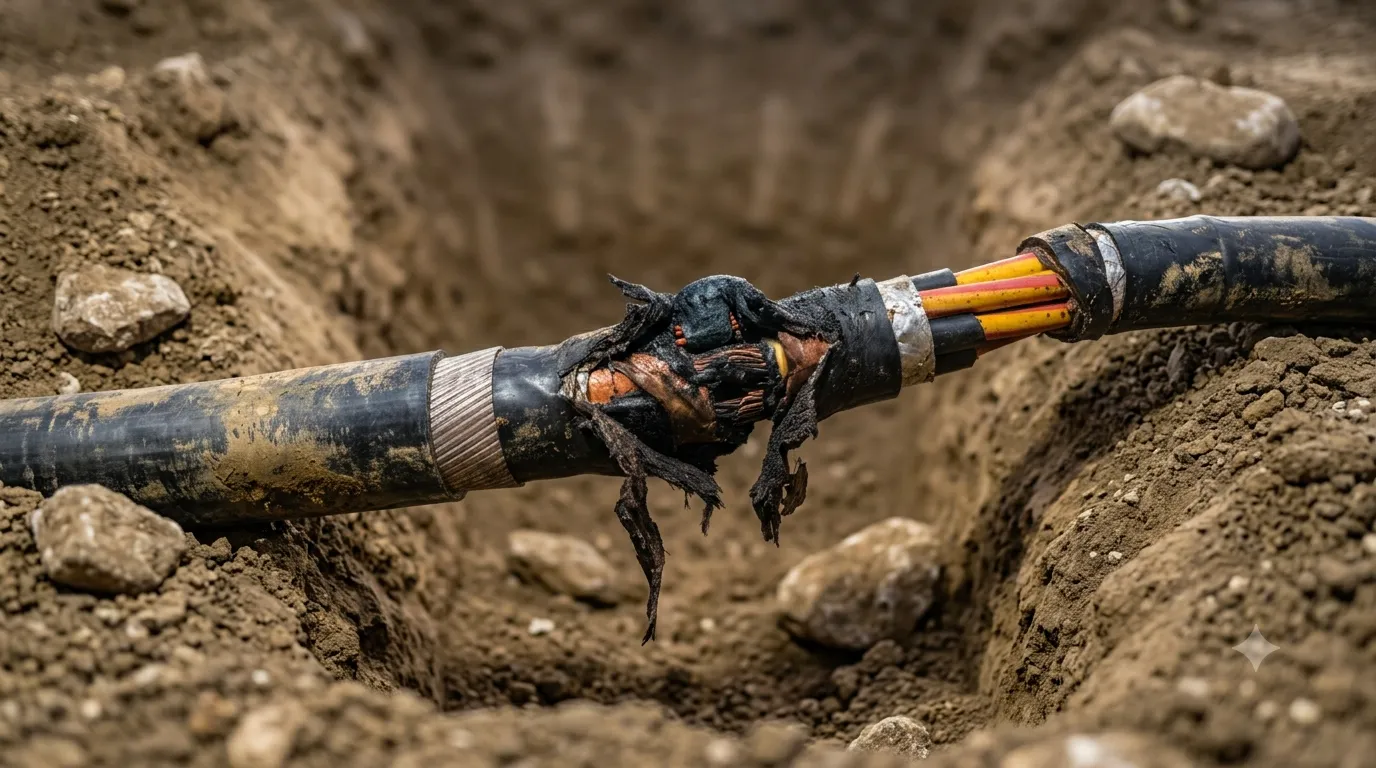
A fault does not wait. Neither do we.
Talk directly to the people who put their hands on the plant. No forms, no waiting: one call and we are on it.