
I> and I>> thresholds tested individually
The selective threshold and the overcurrent one are tested separately, each at its own setting value: a relay can have one threshold correct and the other drifted, and only testing both reveals it.
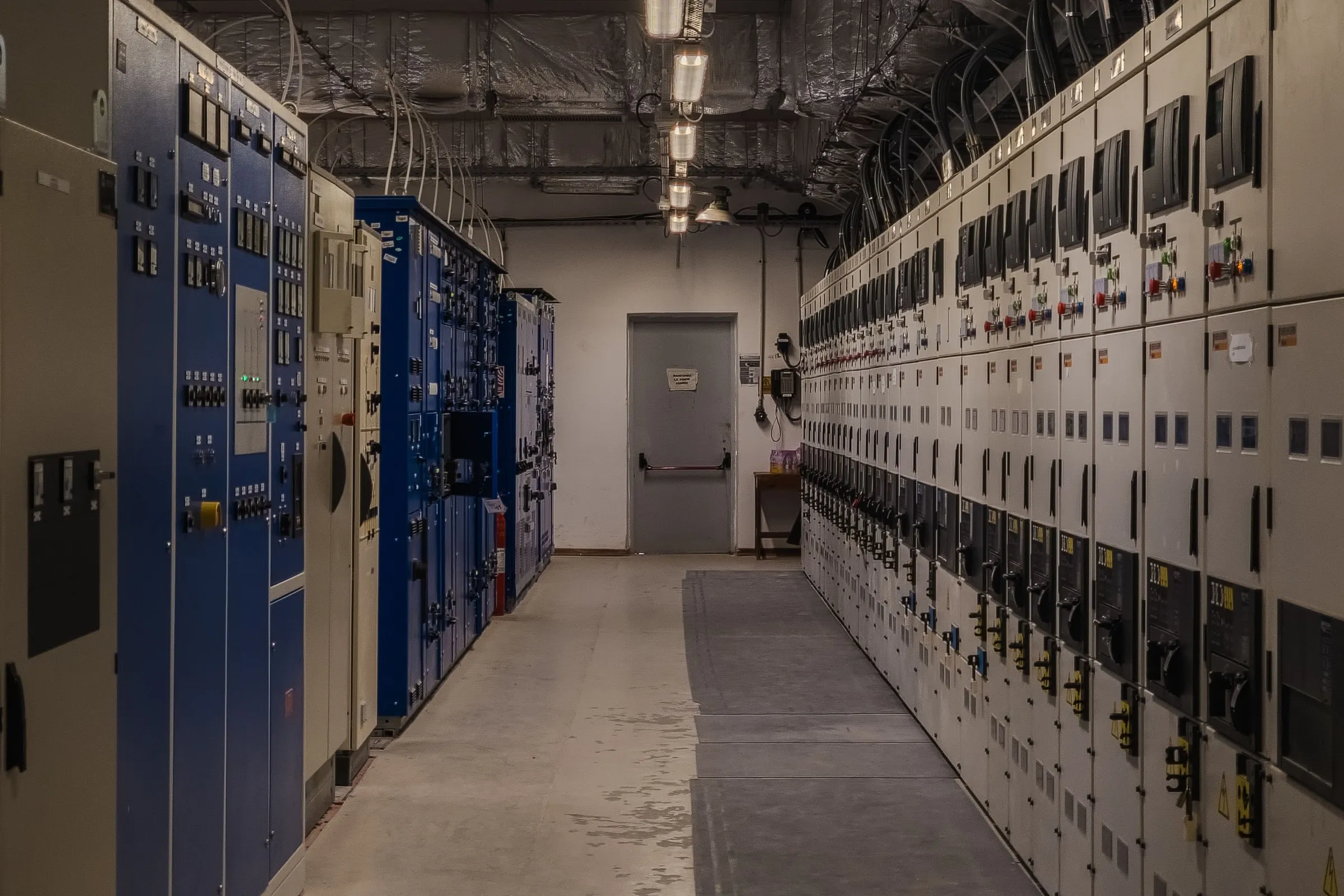
Controlled injection of trip thresholds to CEI 0-16: the protection actually trips where the setting says it should, and in the time it says it will.
A protection relay is set once, in the workshop or at commissioning, and from that moment stays silent: it only acts when something goes wrong. But precisely because it almost never acts, a relay that has drifted out of setting can stay invisible for years: the protection appears to be there, but if the fault arrives it doesn't trip where it should, or trips too late, or doesn't trip at all.
There are at least two thresholds that matter: the selective one, set to trip with a delay that gives downstream protections time to act first, and the overcurrent one, set to trip almost instantly on genuinely dangerous faults. If either one drifts, because of an internal relay fault, deteriorated wiring or a setting never updated after a network change, the plant's selectivity breaks even though everything looks fine on the surface.
Testing them means injecting simulated currents and voltages into the relay's circuit and measuring, with a calibrated instrument, whether the threshold trips at the right value and in the right time. It's the only way to know the protection will do what it was set to do, before a real fault has to tell you.
The selective threshold and the overcurrent one are tested separately, each at its own setting value: a relay can have one threshold correct and the other drifted, and only testing both reveals it.
Simulated current and voltage are injected into the relay's circuit with a calibrated instrument, reproducing the fault condition without energising the real plant.
It's not enough for the relay to trip: it has to trip in the time the setting calls for. The measured time is compared against the expected one, threshold by threshold.
The relay can be set correctly while the breaker opens late. We also check the actual opening time, so the outcome covers the entire protection chain.
The thresholds, times and selectivity criteria tested are those required by the technical rule for connecting to the distributors' HV and MV networks.
Every threshold tested gets its own line in the report: setting value, measured value, trip time, outcome. No aggregated result that could hide a single out-of-tolerance threshold.
Opening the relay compartment, verifying the absence of voltage on the secondary circuits, disconnecting the breaker's trip circuits to isolate the test from network operation.
Injecting simulated currents and voltages into the relay's secondary circuits, reproducing the fault conditions for each threshold (I> and I>>) at the declared setting values.
Measuring the actual opening time of the breaker commanded by the relay and its contact resistance: the check doesn't stop at the electronic threshold, it goes all the way to the switching device.
A report with every threshold tested, the measured trip time and the outcome against the declared setting and CEI 0-16 criteria.
Reference technical rule for connecting active and passive users to the distributors' HV and MV networks
Sets the protection criteria, general and interface, that an active or passive user must meet to stay connected to the distributors' HV and MV networks: trip thresholds, times, selectivity criteria across the different protection levels. Periodic testing of thresholds and trip times is the condition for that protection, set on the bench, to actually work in the field.
If your question is not here, call us: a technician answers, not a switchboard.
Call us: +39 0881 377590It means injecting a simulated current into the relay's circuit at or near each threshold's setting value and verifying that it trips at exactly that value and in the expected time: not earlier, not later, not at a different value.
The DRTS/64 tests the relay: it injects the simulated quantities and measures whether the electronic threshold trips correctly. The ISA CBA 1000 tests the breaker: it measures the actual opening time and the contact resistance. A well-set protection with a slow breaker doesn't protect the plant the way it should.
Yes, for the circuits involved in the test: the relay's secondary circuits are disconnected from the breaker's real command for the duration of the injection, so the simulated fault has no effect on the network in service.
One line for every threshold tested, with the declared setting value, the measured value, the timed trip response, and the compliance outcome against CEI 0-16 criteria.

A fault does not wait. Neither do we.
Talk directly to the people who put their hands on the plant. No forms, no waiting: one call and we are on it.