
Controlled voltage ramp
The applied voltage rises progressively to the test value, staying under the operator's control throughout: no abrupt step that could mask an incipient failure.
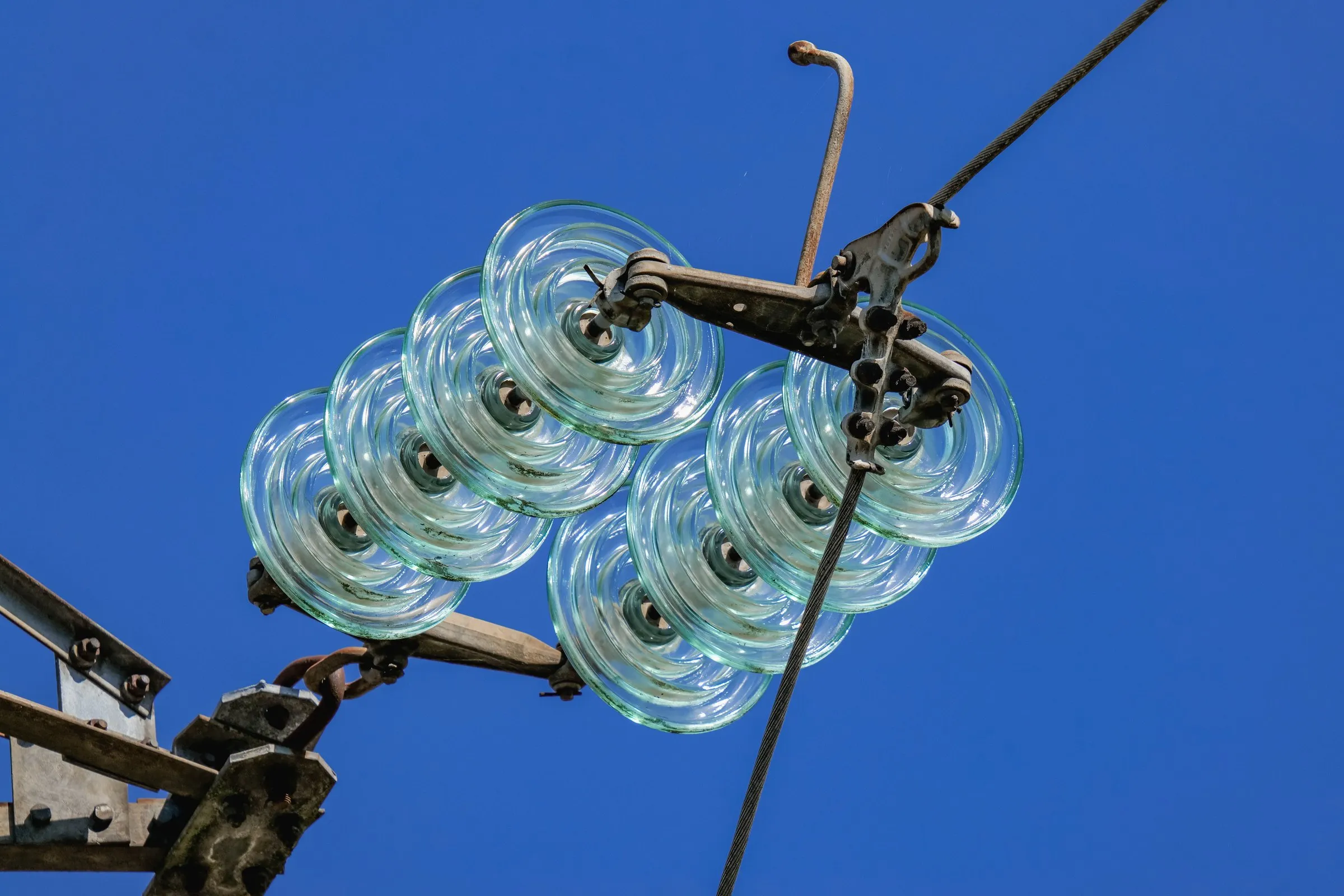
A voltage ramp above operating levels with leakage current under control: the test that checks whether the insulation holds before the network finds out otherwise.
Electrical insulation works until it's put to the test: at operating voltage it can hold for years even with a defect developing, simply because the applied electric field isn't enough to bring it out. The insulation test exists to go beyond that voltage, under controlled conditions, and see whether the material holds a margin greater than anything it will ever see in service.
During the test it's not enough to watch for a full breakdown. Leakage current, the small current that still crosses the insulation during the ramp, is a finer indicator: in healthy insulation it stays low and nearly flat as voltage rises, in compromised insulation it spikes before even reaching the test value. It's that spike point, not just the final withstand, that the measurement has to catch.
It's carried out on HV/MV cables, machines and switchgear after installation, after a repair, or as a periodic check on existing plants: an insulation margin that shrinks over time is often the first sign of a component to schedule for replacement, before an outage flags it instead.
The applied voltage rises progressively to the test value, staying under the operator's control throughout: no abrupt step that could mask an incipient failure.
The current crossing the insulation during the ramp is read in real time: a spike before the test value is the sign of compromised insulation, even without a full breakdown.
The generator reaches test voltages up to 80 kV directly in the field, with no need to dismantle the component and transport it to an external lab.
Where the leakage current departs from the expected trend, the test stops before full breakdown: the spike zone is documented as an anomaly, not just the final outcome.
The test is carried out by personnel qualified to CEI EN 50110-1 and CEI 11-27, with the lock-out/tag-out procedures a test voltage well above operating levels requires.
We deliver the voltage-current curve recorded during the test, the voltage value reached, and the outcome: withstand confirmed, or an anomaly zone to investigate further.
Isolating the component under test, earthing, delimiting the test area and checking the safety conditions required by a voltage well above operating level.
Applying the voltage with a controlled rise up to the test value set for the component, continuously monitoring the leakage current throughout the ramp.
If the current stays low and stable up to the test value, the insulation holds. If it spikes earlier, the test stops and the spike zone is documented as an anomaly to investigate further.
A report with the voltage-current curve, the voltage value reached, and the outcome: component fit for service, or to be repaired, replaced and retested.
Work on electrical installations / Operation of electrical installations
There is no single product standard that generally covers insulation testing across equipment types as different as cables, machines and switchgear: voltage, duration and acceptance criteria change from one product to another. What stays constant, and is confirmed, is the framework within which the test must be carried out safely: CEI EN 50110-1 for the operation of electrical installations and CEI 11-27 for personnel qualification and work procedures, both applied to every high-voltage test we carry out.
If your question is not here, call us: a technician answers, not a switchboard.
Call us: +39 0881 377590Because it anticipates the failure. Insulation that holds up to the test value but with a leakage current already rising abnormally is flagging a problem that hasn't caused a breakdown yet, but likely will in service. Stopping at that signal, before the full breakdown, allows for a planned intervention instead.
The equipment we use reaches test voltages up to 80 kV on site. The actual test value depends on the component and the plant's operating voltage, and is defined before the intervention.
On HV/MV cables, machines and switchgear after installation or a repair, and as a periodic check on existing plants. The test setup (voltage, duration, criteria) is adapted to the specific component.
The test stops before full breakdown, the zone where the leakage current spiked is documented in the report, and we indicate whether the component needs repair, replacement or further diagnostic investigation before returning to service.
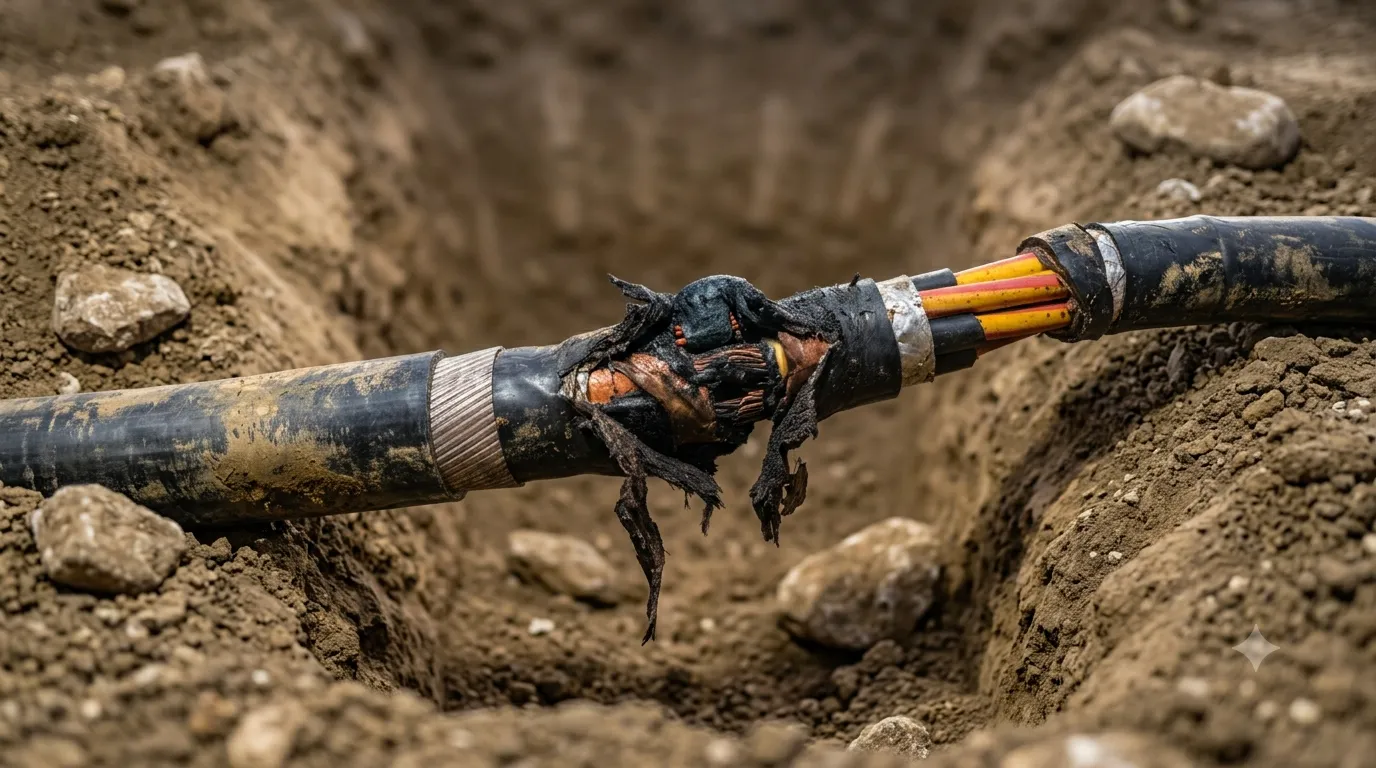
A fault does not wait. Neither do we.
Talk directly to the people who put their hands on the plant. No forms, no waiting: one call and we are on it.