
Automatic reclosing
The RCS algorithm recognises the type of fault and, when it's transient and cleared, recloses the breaker without waiting for the operator: plant downtime is measured in minutes, not hours.
Our proprietary remote supervision system: real-time fault analysis, automatic reclosing and data logging, with a Control Room active 24 hours a day, 365 days a year.
An MV substation with no remote supervision is only visible once someone physically reaches it. A transient fault that clears itself, a switching operation that needs doing outside working hours, a parameter drifting out of range: without a system reading the plant's status in real time, the first news often comes from the client reporting a plant stoppage, not from the substation itself.
RCS is the supervision and control system we developed to close that gap. It analyses the type of fault detected by the breaker, distinguishes a transient event from a persistent one, and when the fault is found to have cleared, recloses automatically without waiting for manual intervention: that is the difference between a plant down for minutes and one down for hours.
Everything runs through our Control Room: a cloud web app accessible from PC, tablet and smartphone, an event history for every substation, remote protection resets and manual switching operations when an operator's action is needed. Multiple managed sites are visible from a single screen, with the same immediacy as reading a single panel.
MV substation
Breaker, sensors
RCS unit
On-site fault analysis
Data link
Cellular network
Control Room
Amon Energy, 24/7
The RCS algorithm recognises the type of fault and, when it's transient and cleared, recloses the breaker without waiting for the operator: plant downtime is measured in minutes, not hours.
A single platform accessible from PC, tablet and smartphone shows the status of every managed substation, with the ability to carry out manual switching operations remotely when human intervention is needed.
Every event (fault, switching operation, reclosing, alarm) stays archived with date, time and recorded parameters: a searchable history, not just an alarm that blinks and disappears.
When an intervention doesn't require someone on site, the protection reset is carried out from the Control Room: fewer site visits, less time between the fault and restoration.
RCS talks to the client's or distributor's SCADA systems, so substation data enters the plant's broader supervision picture without a separate platform to consult.
Supervision doesn't stop in the evening or on holidays: a fault at night is analysed the moment it happens, not at the first opportunity the following day.
Installing the unit in the substation, connecting it to the existing switching devices and protections, configuring the threshold parameters and automatic reclosing rules for that specific substation.
Activating the communication channel with the cloud platform, testing data transmission, and verifying the plant's status is readable in real time from the web app.
Simulating fault events to verify the algorithm correctly distinguishes a transient from a persistent fault, and that automatic reclosing acts within the expected times and conditions.
Moving into service with the Control Room active: continuous monitoring, remote switching operations when needed, event logging, and on-call cover for field intervention when remote reclosing isn't enough.
Operation of electrical installations
A remote switching operation, such as an automatic reclosing or a protection reset commanded from the Control Room, remains an act of operating the electrical installation, with the same safety criteria as an operation carried out on site. RCS doesn't replace this framework: it automates what can be automated safely and leaves the rest to a qualified operator where an on-site decision is needed.
If your question is not here, call us: a technician answers, not a switchboard.
Call us: +39 0881 377590It's Amon Energy's proprietary supervision and control system for MV substations: it analyses the plant's status in real time, recognises transient faults, and automatically recloses the breaker once the fault has cleared, all overseen by our Control Room, active 24 hours a day.
The RCS algorithm distinguishes a transient fault, which clears on its own, from a persistent one. In the first case it recloses the breaker without waiting for manual intervention; in the second it keeps it open and flags the event to the Control Room for an operator's assessment.
Every relevant event (faults, switching operations, reclosing, alarms and protection resets) is recorded with date, time and parameters, so the substation's history is always available to consult, not just the latest real-time status.
Yes, SCADA integration brings substation data inside the client's or distributor's wider supervision system, avoiding a separate platform to consult in parallel.
Nothing changes: the Control Room is active 24 hours a day, 365 days a year, and a fault at night or on a holiday is analysed the moment it occurs.
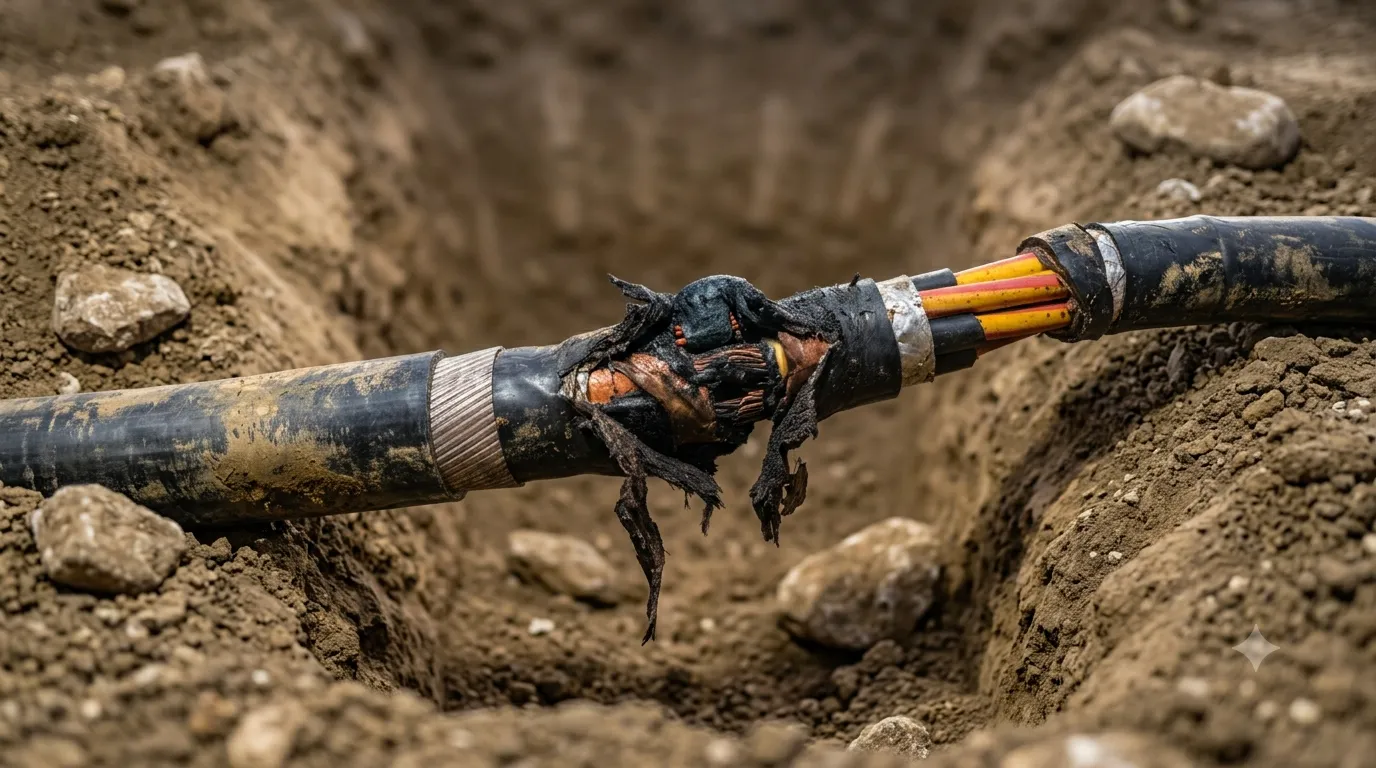
A fault does not wait. Neither do we.
Talk directly to the people who put their hands on the plant. No forms, no waiting: one call and we are on it.